



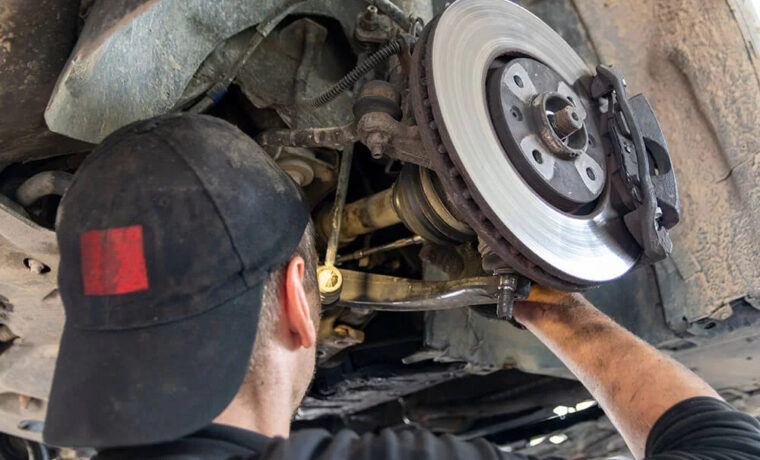
The car suspension system ensures that the tyres stay in contact with the road, improves braking efficiency and offers steering stability. But just like every other mechanical system in a vehicle, the suspension system can wear out over time. And ignoring the warning signs can lead to major safety risks.
Let’s look at the common signs that indicate the car suspension system might be due for a service.
What Is A Car Suspension System?
A car suspension system is a network of components including springs, shock absorbers, struts, linkages and tyres. It connects the vehicle to its wheels and works to absorb shocks from the road.
Why Suspension Health Matters
A failing suspension poses serious safety risks. Reduced road grip can result in poor handling and longer braking distances, while uneven suspension leads to irregular tyre wear, raising the chance of tyre bursts.
Additionally, malfunctioning suspension components can impair steering responsiveness, especially during emergency manoeuvres.
Signs That Car Suspension Needs Servicing
Here are some common indicators that the car suspension system might be failing:
- Car Dips Forward When Braking
If the car noticeably nosedives when you hit the brakes, it could be due to worn-out shocks or struts. This affects its ability to stop quickly, which can be dangerous during emergencies.
- Uneven Tyre Wear
Uneven tyre wear, such as bald patches or inconsistent tread patterns, is often a sign of a misaligned or imbalanced suspension. Ideally, tyres should wear out evenly; if they don’t, it could indicate issues like poor alignment or damaged components such as ball joints or control arms.
- A Bumpy Or Rough Ride
If every pothole feels like a crater, it’s a clear sign the suspension isn’t functioning properly. Worn-out shocks or struts, or weakened springs that have lost tension, can severely affect ride comfort.
- Car Pulls To One Side
Drifting or pulling to one side while driving or braking can indicate a suspension issue or a wheel alignment problem. It’s also important to check tyre pressure and brake callipers, as they can contribute to the issue.
- Greasy Or Oily Shock Absorbers
If the shocks or struts appear greasy or wet with oil, it likely means they’re leaking hydraulic fluid. This leakage reduces their ability to absorb impact, compromising ride comfort and handling.
- Strange Noises When Turning Or Hitting Bumps
Clunking, squeaking or rattling sounds while turning or driving over speed bumps may indicate loose bushings, damaged springs or broken mounts. These components are essential for vehicle stability and handling, and ignoring the noise can lead to further suspension damage.
- Car Sits Unevenly When Parked
If one corner of the parked car sits lower than the others, it could signal a damaged spring or a collapsed strut. This uneven stance may lead to further imbalance while driving, affecting stability and overall handling.
Safety And Suspension Go Hand In Hand
Neglecting the suspension compromises road safety and can impact your relationship with the car insurer. A poorly maintained vehicle may fail fitness tests required for insurance renewals, face claim denials if maintenance issues contributed to an accident and attract higher premiums due to repeated claims or a history of damage.
To make vehicle upkeep and insurance management easier, using a car insurance app can be invaluable. It helps you stay on top of policy renewal dates, schedule maintenance alerts and conveniently upload records of your vehicle’s condition, all from your smartphone.
How Often Should You Service Car Suspension?
There’s no fixed rule, but here are some general guidelines:
- Inspect the suspension every 10,000-15,000 km
- Have a professional check-up during major services (every 30,000-50,000 km)
- Replace shocks and struts every 80,000-1,00,000 km, depending on road conditions
DIY Suspension Checks You Can Try
While a professional should always handle repairs, you can conduct a few checks yourself:
- Bounce Test: Push down on the front or rear of the car. If it bounces more than 2-3 times, the shocks are probably worn out.
- Tyre Check: Examine for uneven wear or cupping patterns
- Ride Feel: Stay alert to how your car responds to turns, braking and bumps
Insurance Implications Of Faulty Suspension
The car suspension system significantly impacts how insurers assess your risk. If a neglected suspension causes or worsens an accident, the claim may be denied. Frequent problems with tyres, handling or collisions could lead insurers to view you as a higher-risk driver, resulting in increased premiums.
Additionally, failing vehicle inspections due to suspension issues can delay insurance renewals. By staying proactive with suspension maintenance, you not only extend the car’s lifespan but also help maintain a clean insurance record.
Conclusion
Suspension problems are more than a comfort issue; they are a safety concern that can spiral into bigger, costlier problems. Promptly addressing these issues by getting your car inspected by a trusted mechanic not only protects you on the road but also helps maintain the vehicle’s value and can prevent complications with insurance claims. Don’t wait until a small problem turns into a major safety hazard.